
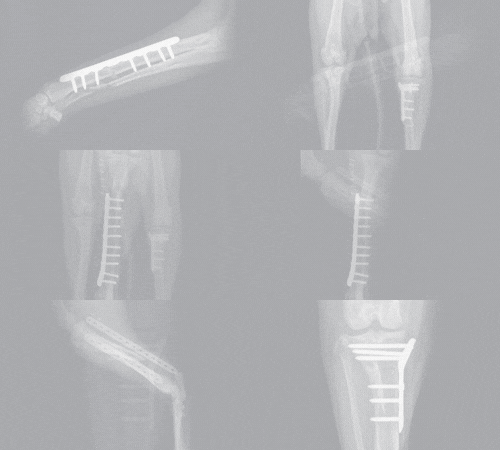
2.7MM T-distal Radius LCP - Dorsal


+ Description
The LCP Volar Column Distal Radius Plates are designed to provide angular stable fixation for extra- and intra-articular distal radius fractures. These plates come with multiple screw options in the head, enabling the surgeon to choose the best screw for the specific fracture. Additionally, the plates are available in various head widths, making them suitable for patients with different statutes, ranging from small to large.
+ Indications
- Fixation of complex intra and extra-articular fractures and osteotomies of the distal radius and other small bones.
+ Specification
- Available in both Titanium and Stainless steel.
- 2.7MM Locking Dorsal Distal Radius T Plate two-plate technique offers a strong construct for complex distal radius fractures and avoids removal of Lister’s tubercle.
- Straight plates are contoured to fit the radial column and have a notched tip that allows them to fit on the radial styloid, adjacent to a temporary K-wire fixation.
- Plate has combi holes and round holes. Combi holes allow fixation with locking screws in the threaded section and cortex screws in the dynamic compression unit section for compression.
- The shaft holes accept 2.7MM locking screws in the threaded portion or 2.7MM cortical screws in the compression portion. Locking holes in plate head accept 2.7MM locking screws.
- 2.7MM Locking Dorsal Distal Radius T Plate allow implant placement to address the individual fracture pattern.
- Limited-contact surface reduces bone-to-plate contact and helps to preserve the periosteal blood supply.
- Choice of different lengths of plate eliminates the need to cut plates.
- Pre-contoured plate to match anatomical shape.
- Low plate-and-screw profile minimizes potential for tendon and soft tissue irritation.
- Rounded edges minimize potential for tendon adhesion.
- Smaller plates and screws address fracture fragments individually, with less overall implant bulk.
- Locking screws offer a fixed-angle construct to support the articular surface, reduce the need for bone graft, and obtain fixation in osteoporotic bone.
- locking plate increases construct stability, decreases risk of screw back-out and subsequent loss of reduction. It also reduces the need for precise anatomic plate contouring and minimizes the risk of stripped screw holes.
Product Ordering
| HOLES | SS | TI |
|---|---|---|
| 3 | 1035SS03 | 1035TI33 |
| 4 | 1035SS04 | 1035TI34 |
For More
- Explore our full range of trauma implants for optimal surgical outcomes
- Explore our full range of trauma implants for optimal surgical outcomes.
- Learn more about clavicle fractures and their treatment from the American Academy of Orthopaedic Surgeons