
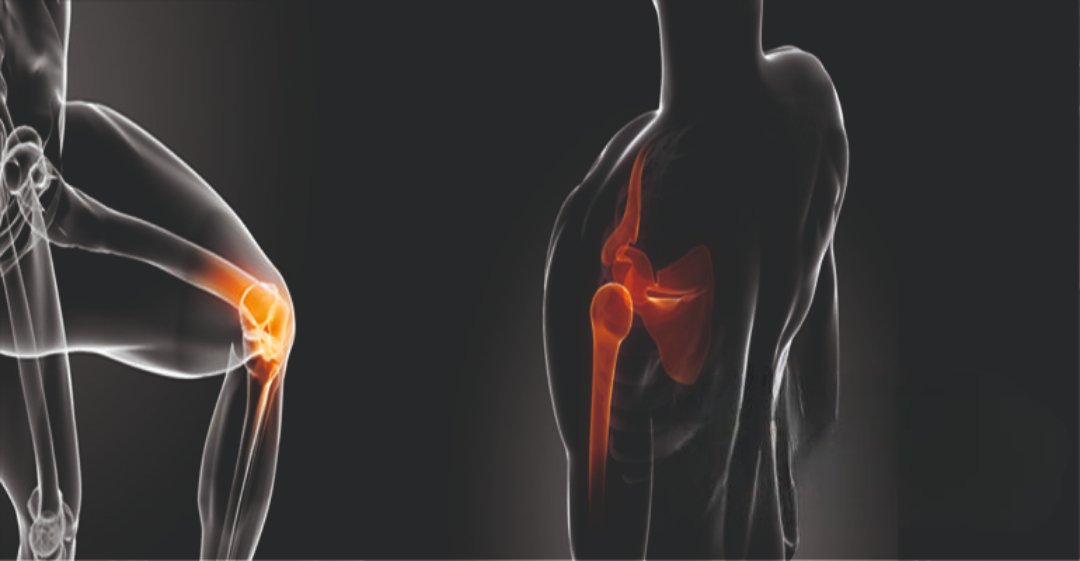
Orthopedic implants and surgical instruments undergo extreme mechanical, chemical, and biological stresses inside the body and during repeated hospital sterilization cycles. To ensure long-term performance, durability, and biocompatibility, manufacturers use advanced surface finishing technologies.
Processes like surface treatment, anodizing, coating, and hardening enhance implant longevity, reduce wear, and improve patient outcomes. They also support surgeons with reliable, corrosion-resistant instruments that perform consistently.
Why Surface Finishing Matters in Orthopedic Devices
The surface of an implant directly influences:
-
- Osseointegration
-
- Wear resistance
-
- Corrosion resistance
-
- Biocompatibility
-
- Fatigue life
-
- Bacterial adherence
-
- Friction during movement (tribology)
Surface engineering determines how an implant interacts with bone, soft tissue, fluids, and mechanical forces.
Without proper surface finishing, implants may fail early due to loosening, corrosion, or wear particle generation, leading to revision surgeries.
Key Surface Finishing Technologies in Orthopedic Implants
-> Surface Treatment (Polishing, Passivation, Shot Peening, Sandblasting)
1) Mechanical Polishing
-
- Provides smooth, high-quality surface
-
- Reduces micro-cracks and stress points
-
- Common for plates, screws, and instruments
2) Passivation (Chemical Treatment) :
-
- Removes free iron from stainless steel
-
- Enhances corrosion resistance
-
- Mandatory for surgical instruments
3) Sandblasting / Grit Blasting :
-
- Creates rough surface for better coating adhesion
-
- Enhances primary stability in implants
4) Shot Peening :
-
- Improves fatigue strength
-
- Reduces risk of implant breakage
-
- Widely used for titanium and stainless steel devices
Importance :
-
- Increased lifespan of implants
-
- Better biocompatibility
-
- Reduced corrosion in physiological environments
-> Anodizing (Titanium & Aluminum Implants)
Anodizing is an electrochemical process that thickens the natural oxide layer on titanium or aluminum.
Types of Anodizing Used in Implants
1) Type II Anodization
-
- Medium-thickness oxide layer
-
- Improves corrosion resistance
-
- Used for trauma implants (plates, nails, screws)
2) Type III Hard Anodization
-
- Thick, dense oxide layer
-
- Highly wear-resistant
-
- Used for orthopedic instruments and high-stress components
3) Color Anodizing
-
- Used for screw and plate color coding
-
- Helps surgeons identify sizes quickly
-
- No artificial dyes—colors are created by oxide layer thickness
Advantages of Anodizing :
-
- Dramatically improves fatigue strength
-
- Enhances biocompatibility
-
- Provides non-peeling, non-flaking surface
-
- Allows color differentiation
-
- Reduces surface reactivity
-> Coating Technologies (HA, TiN, DLC, PVD, Porous Coatings)
Surface coatings significantly improve biological and mechanical performance.
1) Hydroxyapatite (HA) Coating
-
- Mimics bone mineral
-
- Enhances osseointegration
-
- Common in hip stems, knee components, and spinal implants
2) Titanium Nitride (TiN) Coating
-
- Golden hard coating
-
- Reduces wear in articulating surfaces
-
- Used in instruments for improved scratch resistance
3) Diamond-Like Carbon (DLC) Coating
-
- Extremely low friction
-
- Reduces wear debris in joint implants
-
- Highly biocompatible
4) PVD / CVD Coatings :
Physical Vapor Deposition (PVD) and Chemical Vapor Deposition (CVD) provide:
-
- Smooth finish
-
- High wear resistance
-
- Anti-corrosion properties
5) Porous & Plasma Spray Coating :
-
- Creates porous structures on implants
-
- Promotes bone ingrowth
-
- Used in cementless joint replacements
Coating Benefits :
-
- Faster osseointegration
-
- Reduced joint wear
-
- Lower risk of metal ion release
-
- Increased implant longevity
-> Hardening Processes (Nitriding, Carburizing, Heat Treatment)
Hardening increases surface strength without compromising core toughness.
1) Nitriding :
-
- Adds nitrogen to metal surface
-
- Improves fatigue and wear resistance
-
- Common in stainless steel tools and components
2) Carburizing :
-
- Carbon infusion on surface layer
-
- Used for high-strength surgical instruments
3) Heat Treatment :
-
- Controls grain structure
-
- Enhances strength and ductility
Benefits :
-
- Stronger surface layer
-
- Resistance to cracking and bending
-
- Ideal for load-bearing implants and heavy-use instruments
How Surface Finishing Improves Implant Performance
1) Reduces Wear Debris
-
- Critical for reducing aggressive inflammatory responses and implant loosening.
2) Enhances Biological Response
-
- Better surface chemistry → better bone attachment.
3) Improves Longevity of Joint Replacements
-
- Coatings and treatments minimize friction and wear.
4) Prevents Corrosion & Metal Ion Release
-
- Especially important for stainless steel, cobalt chrome, and titanium.
5) Helps With Color Coding & Surgical Workflow
-
- Makes surgeries faster and safer.
Importance of Surface Finishing in Surgical Instruments
-
- Better sterilization compatibility
-
- Increased resistance to scratch, bending, and corrosion
-
- Longer instrument life cycle
-
- Smooth operation of articulating components (scissors, forceps, rongeurs)
Surface finishing directly impacts the performance, safety, and lifespan of instruments in the operating theater .
Future Trends in Surface Engineering
-> Nano-coatings :
-
- Improved antibacterial properties and cell attachment.
-> Bioactive surfaces :
-
- Surfaces that release growth factors or ions.
-> Smart coatings :
-
- Respond to pH, temperature, or mechanical load.
-> Additive manufactured implants with integrated surface textures :
- 3D-printed porous structures for superior osteointegration.
-
Conclusion :
Surface treatment, anodizing, coating, and hardening are not just cosmetic processes—they are essential technologies that define the success, longevity, biocompatibility, and mechanical reliability of orthopedic implants and instruments.
Manufacturers that invest in advanced surface engineering deliver safer, more durable, and more effective orthopedic solutions, ultimately improving surgical outcomes and patient satisfaction.