
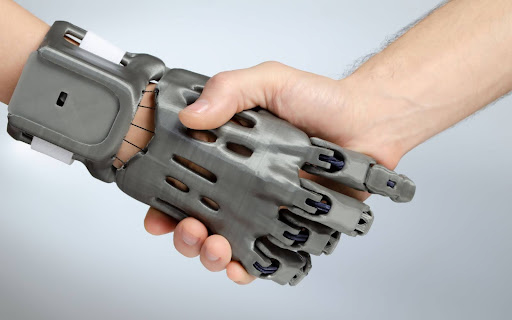
he orthopedic implants industry plays a crucial role in transforming healthcare by providing cutting-edge solutions for orthopedic treatments. With advancements in technology and materials, this industry continues to evolve, manufacturing high-quality medical devices that contribute to improved patient care outcomes. In this blog, we’ll delve into the latest trends shaping the orthopedic implants industry, from regulatory changes to emerging technologies, and explore the challenges and opportunities that lie ahead.
Understanding Industry Regulations
The orthopedic implants industry is governed by stringent regulations aimed at ensuring patient safety and product effectiveness. With the transition from the Medical Device Directive (MDD) to the Medical Device Regulation (MDR) to obtain a CE certification, the focus has shifted to enhancing the quality and reliability of medical devices used in orthopedic treatments. Compliance with updated standards for product certification is crucial for manufacturers. The global orthopedic devices market is expected to grow at a CAGR of 4.59% during the forecast period (2022-2029), reflecting the industry’s resilience amidst regulatory changes.
Advances In Materials And Technology
Advancements in materials science and technology have revolutionized orthopedic implants, leading to improved patient outcomes and enhanced durability. Titanium alloys, ceramics, and bioresorbable materials are increasingly used in implants manufacturing, offering greater biocompatibility and reducing the risk of complications. Moreover, the integration of additive manufacturing (3D printing) has enabled custom-designed implants, optimizing fit and functionality for individual patients.
Emerging Trends In Orthopedic Surgery
Innovations in surgical techniques and technologies are driving significant trends in orthopedic surgery. Minimally invasive procedures, computer-assisted navigation systems, and robot-assisted surgeries are gaining traction, offering precision and efficiency in orthopedic treatments. Last year, there was observed volume growth in hip and knee replacement surgery, with increases of 5.6 percent and 8.1 percent, respectively, providing an additional revenue opportunity for the orthopedic device market. The adoption of patient-specific instrumentation (PSI) and augmented reality (AR) for surgical planning and visualization is poised to reshape the future of orthopedic surgery.
Addressing Challenges And Opportunities
While the orthopedic implants industry presents promising growth opportunities, it also faces challenges such as pricing pressures, reimbursement complexities, and supply chain disruptions. These challenges, however, can be navigated by investing in research and development, fostering strategic partnerships, and leveraging digital technologies for supply chain optimization. By embracing innovation and collaboration, industry stakeholders can overcome challenges and capitalize on emerging opportunities in orthopedic healthcare.