
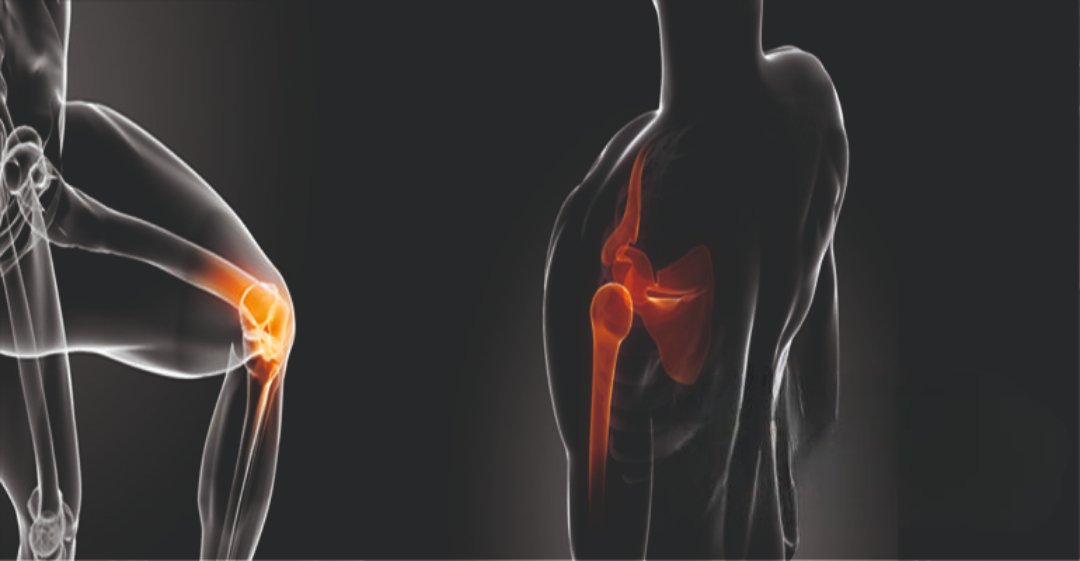
Robotic-assisted orthopedic surgery has rapidly evolved from a futuristic concept to a mainstream surgical technology used in joint replacement, trauma fixation, and spinal procedures. As demand for higher precision, faster recovery, and reproducible outcomes increases, robotics is becoming an essential tool in implant positioning, bone preparation, and surgical planning.
While imaging technologies, navigation, and AI-based planning continue to mature, the integration of robotics with orthopedic implants and instruments is reshaping the entire surgical workflow — from preoperative planning to postoperative alignment accuracy.
Why Robotics is Becoming Essential in Orthopedics
Orthopedic surgery demands accuracy in millimeters and degrees. Even small deviations in implant placement can lead to wear, instability, limb misalignment, and early failure.
Robotics provides:
-
- Precision in implant alignment
-
- Reproducible surgical outcomes
-
- Minimized soft tissue damage
-
- Improved longevity of implants
-
- Reduced surgeon fatigue and operating time
These benefits are especially valuable in knee replacement, hip replacement, spine surgery, and complex trauma reconstruction.
How Robotics Works in Orthopedic Surgery
Robotic systems integrate multiple technologies:
-> Preoperative 3D Planning :
CT/MRI-based 3D models help surgeons plan the:
-
- Exact implant size
-
- Bone cuts
-
- Alignment angles
-
- Soft-tissue balancing
This improves implant selection and ensures personalized patient anatomy matching.
-> Intraoperative Navigation
Robotic navigation tracks:
-
- Bone landmarks
-
- Joint movement
-
- Instrument position
Real-time feedback reduces chances of malalignment and surgical errors.
-> Robotic Arm Guidance
The robotic arm assists with:
-
- Bone resection
-
- Milling
-
- Reaming
-
- Screw placement in spine
-
- Acetabular cup alignment in hips
-
- Efficient and precise bone preparation in joints
Robots do not replace surgeons — they enhance the surgeon’s control and precision.
Key Applications of Robotics in Orthopedics
-> ) Total Knee Replacement (TKR) :
Robotics helps achieve:
-
- Accurate femoral and tibial cuts
-
- Balanced gaps
-
- Correct valgus/varus alignment
-
- Improved patellar tracking
Studies show lower revision rates and faster recovery in robotic TKR.
-> Total Hip Replacement (THR)
Robots assist in:
-
- Acetabular cup placement
-
- Leg length equalization
-
- Optimal anteversion and inclination angles
This reduces instability and impingement risk.
-> Spine Surgery :
Highly used in:
-
- Pedicle screw placement
-
- Complex deformity correction
-
- Minimally invasive spine fixation
Robotic accuracy reduces neurologic injury risks and improves construct stability.
-> Orthopedic Trauma & Implants :
Robotics is emerging in:
-
- Long bone fracture reduction
-
- Plate positioning
-
- Intramedullary nail entry point accuracy
-
- Screw trajectories in complex fractures
-
- Periacetabular osteotomies
This is highly beneficial in pelvic, acetabular, and periarticular fractures.
-> Arthroscopy & Sports Medicine :
Early-stage robotic tools are improving:
-
- Arthroscopic navigation
-
- Precise tunnel placement (ACL, PCL)
-
- Automated soft tissue shaving and preparation
-
- Robotic-assisted endoscopic tools for shoulder and knee procedures
Robotics in Manufacturing of Implants & Instruments
Beyond surgical use, robotics is revolutionizing how implants and instruments are made.
Robotic CNC Machining
-> Ensures :
-
- Consistent tolerances
-
- Smooth surface finishing
-
- Efficient production of complex geometries
Robotic Polishing & Passivation
-> Provides :
-
- Defect-free surfaces
-
- Reduced contamination
-
- Better implant longevity
Robotic Quality Inspection
-> Automated vision systems verify :
-
- Dimensions
-
- Surface defects
-
- Functional performance
This improves consistency and reduces production cost over time.
Advantages of Robotic-Assisted Orthopedic Procedures
-> Clinical Benefits :
-
- Higher implant accuracy
-
- Smaller incisions
-
- Less bleeding
-
- Lower postoperative pain
-
- Faster rehabilitatio
-
- Improved long-term alignment
-
- Reduced implant wear and loosening
-> Economic Benefits :
-
- Fewer revisions
-
- Shorter hospital stay
-
- Reduced complications
-
- Better resource utilization
Limitations and Challenges
-> Despite its benefits, robotics has challenges :
-
- High initial investment for hospitals
-
- Learning curve for surgeons
-
- Need for advanced imaging
-
- Longer preoperative planning
-
- Limited availability in rural settings
However, with miniaturization, AI integration, and cost reduction, adoption is steadily increasing.
Future Trends in Robotic Orthopedics
-> AI-Driven Predictive Planning :
-
- Machine learning will guide implant selection and anticipate complications.
-> Autonomous Surgical Steps :
-
- Future robots may assist in automated bone milling and reduction.
-> Compact & Portable Robotic Systems :
-
- Smaller systems will allow widespread use in smaller hospitals.
-> Integration With Smart Implants :
-
- Implants with sensors may provide real-time load and healing feedback.
-> Haptic-Controlled Robotic Tools :
-
- Enhanced tactile feedback will increase safety and control.
Conclusion :
Robotics has moved from experimental technology to a standard of excellence in orthopedic surgery. Whether for joint replacement, trauma reconstruction, spine fixation, or arthroscopy, robotic systems deliver unparalleled precision and consistency. As technology becomes more affordable and widespread, Indian orthopedic manufacturers — in implants, instruments, and electromechanical devices — can integrate robotics to elevate product quality and support global healthcare demands.
Robotics is not just the future — it is the present foundation of next-generation orthopedic care.