
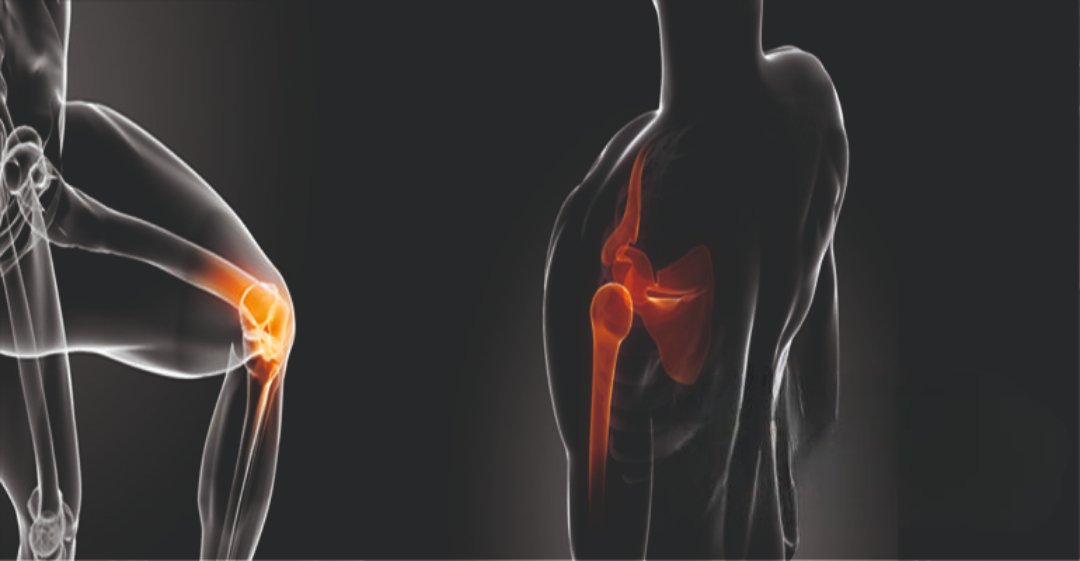
Sports injuries are among the most frequent reasons athletes visit orthopedic surgeons. High-intensity movements, rapid direction changes, collisions, and repetitive stress can lead to ligament tears, cartilage damage, and joint instability. Modern arthroscopy — using minimally invasive instruments and implants — has transformed the treatment of sports-related joint injuries, enabling faster recovery and precise repair of damaged tissues.
This blog explains the most common sports injuries, what athletes should take care of, and how arthroscopy implants and instruments play a critical role in treating related pathologies.
Common Sports Injuries in Athletes
-> ACL Tear (Anterior Cruciate Ligament Injury)
Sports: Football, Basketball, Kabaddi, Cricket (fielding), Volleyball, Badminton
Mechanism: Sudden pivoting, twisting, or awkward landing Symptoms: Instability, popping sound, swelling, loss of motion Arthroscopy Treatment & Implants
1 ) ACL Reconstruction using :
-
- Interference screws (Titanium / Bioabsorbable)
-
- Endobutton / Adjustable loop fixation devices
-
- Tibial fixation posts
2) Arthroscopy Instruments :
-
- Arthroscopic shaver
-
- ACL tibial guide
-
- Femoral offset aimer
-
- Passing instruments (suture passers, wire loops) Athlete Care Tips
3) Strengthen quadriceps & hamstrings
4) Proper landing technique
5) Use knee brace during return-to-sport
6) Avoid early pivoting post-surgery
-> Meniscus Tear
Sports: Football, Basketball, Running, Judo, Wrestling Mechanism: Twisting with foot planted
Symptoms: Locking, clicking, joint-line pain Arthroscopy Treatment & Implants
1) Meniscus Repair
-
- All-inside repair implants
-
- Inside-out sutures
-
- Bioabsorbable darts / arrows
2) Meniscectomy when repair isn’t possible Instruments Used
3) Meniscus scissors
4) Meniscus rasps
5) Suture passers
6) Arthroscopy shaver Athlete Care Tips
7) Avoid deep squats during recovery
8) Strengthen surrounding muscles
9) Use proper footwear for stability
10) Early diagnosis prevents cartilage damage
-> Rotator Cuff Injury (Shoulder)
Sports: Swimming, Tennis, Throwing games, Badminton Mechanism: Overuse, overhead motion
Symptoms: Shoulder pain, weakness, difficulty lifting arm Arthroscopy Treatment & Implants
1) Rotator Cuff Repair with :
-
- Suture anchors (metallic / bioabsorbable / PEEK)
-
- Knotless anchors
-
- Double-row fixation constructs Instruments Used
2) Arthroscopy shaver
3) RF ablation probe
4) Suture passer / grasper
5) Cannulas and arthroscopic punches Athlete Care Tips
6) Shoulder strengthening (rotator cuff & scapular muscles)
7) Proper warm-up before overhead activity
8) Avoid repetitive overhead throws
9) Gradual return to overhead sports
-> Bankart Lesion (Shoulder Instability)
Sports: Contact sports – Football, Kabaddi, Martial Arts Mechanism: Dislocation causes labrum tear
Symptoms: Shoulder slipping, recurrent dislocations Arthroscopy Treatment & Implants
1) Arthroscopic Bankart Repair using :
-
- Suture anchors
-
- Knotless anchors
-
- Labral tapes/sutures Instruments Used
2) Labral elevators
3) Glenoid rasper
4) Suture passer
5) Arthroscopy shaver Athlete Care Tips
6) Strengthen shoulder stabilizers
7) Avoid early return to contact sports
8) Use shoulder brace during high-risk activity
-> PCL & MCL Injury (Knee)
Sports: Football, Hockey, Motorsports, Basketball Mechanism: Blow to the front of tibia (PCL); lateral force (MCL)
Symptoms: Pain, swelling, instability Arthroscopy Treatment & Implants
1) PCL reconstruction using :
-
- PCL femoral buttons
-
- Interference screws
-
- Tibial inlay techniques
2) MCL injuries usually treated conservatively but may need internal bracing (suture tape + anchors) Athlete Care Tips
3) Train stabilizer muscles
4) Strengthen hamstrings (PCL protection)
5) Use hinged knee brace during rehab
-> Cartilage Lesions (Chondral Defects)
Sports: Long-distance running, Football, Basketball Mechanism: Repetitive microtrauma or acute impact
Symptoms: Joint pain, swelling, catching Arthroscopy Treatment & Implants
1) Microfracture
2) Osteochondral autograft transfer (OATS)
3) Allograft transplantation
4) Cartilage scaffold implantation (collagen/HA-based) Instruments Used
5) Microfracture awls
6) Curettes
7) OATS instrumentation sets Athlete Care Tips
8) Avoid high-impact early
9) Strengthen core & lower limb alignment
10) Use custom orthotics if required
-> Achilles Tendon Injuries
Sports: Sprinting, Football, Tennis Mechanism: Sudden acceleration or jump
Symptoms: Sharp pain, difficulty walking, audible snapv Treatment & Implants
1) Minimally invasive Achilles repair
2) Fiber sutures
3) Suture anchors for augmentation thlete Care Tips
4) Calf strengthening
5) Proper warm-up
6) Avoid sudden explosive movements when fatigued
Role of Arthroscopy Electromechanical Instruments
These high-precision devices allow minimally invasive surgical intervention:
-> Arthroscopy Shaver System
-
- Removes damaged cartilage, meniscus fragments, and soft tissues
-
- Used in ACL, meniscus, shoulder repairs
-> RF Ablation System
-
- Controls bleeding
-
- Smoothens tissues
-
- Helps in capsular tightening
-> Automatic Tourniquet System
-
- Ensures clear surgical field
-
- Reduces intraoperative bleeding
-
- Essential in knee, ankle, and elbow arthroscopy
-> Arthroscopy Pump
-
- Maintains joint distension
-
- Improves visibility
-
- Controls fluid pressure
-> Camera System & Light Source
-
- Enables HD visualization
-
- Critical for precision in minimally invasive procedures
Role of Arthroscopy Electromechanical Instruments
1) Training & Conditioning
-
- Strengthen core, stabilizers, and sport-specific muscles
-
- Avoid overtraining
-
- Balance strength and flexibility
2) Technique Correction
-
- Proper landing mechanics
-
- Correct throwing motion
-
- Safe pivoting and cutting techniques
3) Protective Equipment
-
- Knee and ankle braces
-
- Shoulder stabilizers
-
- Proper footwear
4) Recovery
-
- Adequate sleep and nutrition
-
- Cooling down and stretching
-
- Avoid early return to sport
Sports injuries are common but highly treatable when addressed early with arthroscopy. Modern implants and instruments — including shavers, anchors, buttons, RF systems, and arthroscopy towers — allow surgeons to restore joint stability, mobility, and function with minimal tissue trauma.
Athletes can significantly reduce injury risk through strengthening, proper technique, preventive bracing, and timely diagnosis. With advanced arthroscopic technology and high-quality implants, recovery is faster than ever, enabling athletes to safely return to peak performance.